

7 First-Time Buyer Mistakes to Avoid in Santa Cruz (and What to Do Instead)
Buying your first home in Santa Cruz can feel like trying to catch the perfect wave: exhilarating, a little intimidating, and highly dependent on timing. Between coastal micro-neighborhoods, older housing stock, and strong competition, it's easy to make a decision you regret later—especially when emotions start steering the ship. The good news is that most first-time buyer missteps are predictable, which means they're also preventable. Below are seven common mistakes and the practical "do this instead" moves that help you stay confident, competitive, and clear-headed.
Mistake #1: Falling in love with the vibe before you run the numbers

Santa Cruz has a way of pulling you in—salt air, redwoods nearby, and neighborhoods that each feel like their own little world. A classic first-time mistake is touring homes at the top of your pre-approval range and assuming the monthly payment will "work out." In reality, the payment is just the start: property taxes, insurance, HOA dues (if any), utilities, and maintenance can shift the comfort level fast.
Do this instead: build a full monthly budget before you tour seriously. Ask your lender for payment scenarios at different purchase prices and interest rates, and include estimates for taxes and insurance. If you're buying near the coast, be especially mindful of insurance considerations and maintenance expectations for salt air exposure. Set a "sleep-well number" and shop with discipline around it.
Also remember that Santa Cruz inventory can be tight, which tempts buyers to "stretch" just to win. Stretching is different from strategizing. A winning plan makes room for life—repairs, savings, and the occasional weekend getaway—without relying on constant sacrifice.
Mistake #2: Getting pre-approved and then going silent
Pre-approval is not a one-and-done task. Rates change, underwriting guidelines evolve, and your own financial picture can shift. Some buyers assume their pre-approval letter is good for months, then scramble when a dream home appears and their lender needs updated documents.
Do this instead: stay in light, regular contact with your lender while you shop. Keep your documents organized, avoid major credit changes, and ask how quickly the lender can turn an updated pre-approval letter for a specific offer price. In a competitive Santa Cruz scenario, speed and clarity can matter just as much as the number on the letter.
Mistake #3: Skipping neighborhood homework (because everything is "close to the beach")
One street can feel quiet and tucked away; another a few blocks over can have a very different rhythm. First-time buyers sometimes focus on a general area label and overlook the day-to-day realities: commute patterns over Highway 17, microclimates (foggy mornings vs. sunnier pockets), parking, and how busy things feel on weekends.
Do this instead: create a short list of "non-negotiables" and test them in real time. Drive the route at your actual commute hours. Visit the neighborhood in the early evening. Listen for traffic, check street lighting, and note how easy it is to run everyday errands. If schools are part of your plan—now or later—look at boundaries and program options early so you don't fall for a home that doesn't match your long-term needs.
Mistake #4: Underestimating older-home realities and inspection scope
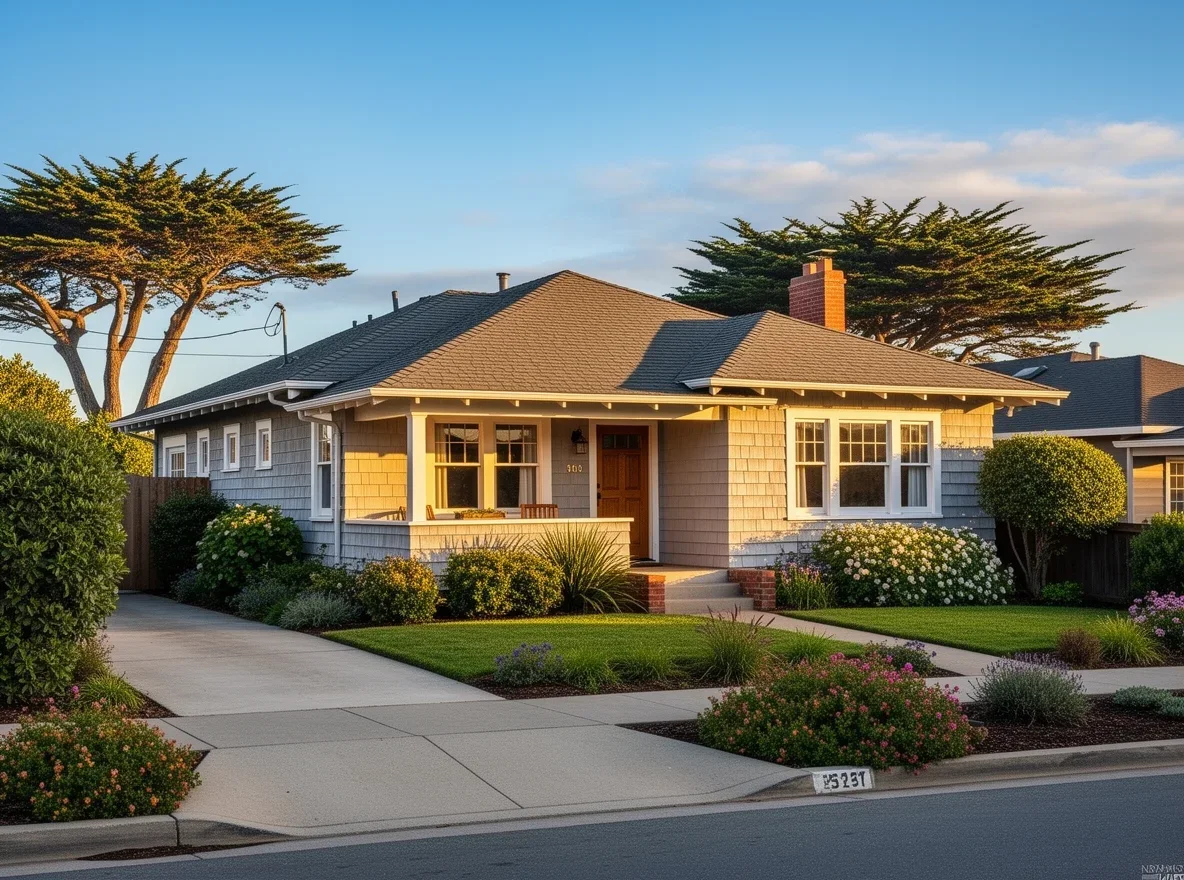
Santa Cruz has a lot of character homes—and character often comes with a to-do list. First-time buyers may focus on finishes and staging, then feel blindsided by inspection findings: aging roofs, older electrical panels, drainage issues, pest reports, or deferred maintenance. Even when a home is in good shape, older properties often require ongoing, proactive upkeep.
Do this instead: treat inspections as a strategy tool, not a hurdle. Review disclosures carefully, ask questions early, and consider specialized inspections when appropriate (roof, sewer lateral, foundation, drainage). Then translate the results into a realistic 12–24 month homeownership plan with priorities and rough costs. You don't need a perfect house—you need a house you can responsibly maintain.
If you're competing with other buyers, your agent can help you choose contingencies wisely without taking on unnecessary risk. The goal is to be competitive and protected, not reckless.
Mistake #5: Writing an offer without a clear "win condition"
In a fast-moving market, it's easy to default to "offer higher" as the only lever. But price is just one part of the offer. Closing timeline, deposit terms, contingency structure, and proof of funds can all influence how a seller evaluates your seriousness and reliability.
Do this instead: decide in advance what your win condition is: the highest price, the cleanest terms, or the smoothest close. Then tailor your offer accordingly. Sometimes a flexible closing date or a well-documented financing plan is more persuasive than stretching an extra few thousand dollars. A thoughtful, complete package can stand out because it reduces uncertainty for the seller.
Mistake #6: Ignoring total cost of ownership (HOA, utilities, insurance, maintenance)
First-time buyers often compare homes based on list price alone, then discover that two "similar" homes can have very different monthly realities. HOAs can be meaningful, and utilities can vary depending on size, insulation, and systems. Insurance needs may shift based on location and property specifics. Maintenance, especially near coastal conditions, should be part of your monthly thinking.
Do this instead: run a side-by-side "true monthly cost" comparison. Include HOA dues, estimated utilities, insurance ranges, and a maintenance reserve. Even a modest monthly reserve helps you handle the normal surprises of ownership—because they're not really surprises, they're part of the deal.
Mistake #7: Letting the search drag on without a decision framework

Shopping fatigue is real. After enough open houses, everything blurs together—especially when you're trying to balance lifestyle dreams (walkability, outdoor access, a little extra space) with budget realities. Some buyers wait for a "perfect" home that never appears; others panic-buy after months of searching.
Do this instead: create a simple scoring system before you tour. Break it into categories like location, layout, condition, natural light, outdoor space, and future flexibility. Decide what you can change (paint, landscaping, fixtures) and what you can't (lot position, neighbor proximity, commute). When you find a home that checks the important boxes, you'll recognize it faster—and you'll be able to act with confidence rather than adrenaline.
Finally, remember the bigger picture: buying in Santa Cruz is not just a transaction, it's a lifestyle choice. It's weekend hikes among redwoods, quick escapes to the waterline, and a community that values nature, creativity, and everyday casual living. If you approach the process with a plan—strong financing, smart neighborhood research, and clear inspection strategy—you'll avoid the most common first-time mistakes and end up with a home that supports the life you're moving here to live.
If you'd like a second set of eyes on your budget, a neighborhood short list, or an offer strategy tailored to your situation, PORTFOLIŌ Real Estate can help you map out a confident path from "first tour" to "first keys."