

Aptos Commute Reality Check: What the Drive Actually Feels Like Day to Day
Commuting from Aptos isn't a single number you can memorize and forget. The same "15 miles" can feel like a breeze on a clear morning and like a small endurance event when Highway 1 stacks up, a school drop-off runs long, or a crash backs traffic to the ramps. The good news is that the routes are straightforward and the lifestyle payoff can be huge—if you plan around the pinch points. Here's a grounded look at typical drive times, practical route choices, and the everyday tradeoffs that shape life in Aptos.
First, a quick mental map: Aptos sits along the Santa Cruz County coast with Highway 1 as the main spine, while Soquel Drive and Freedom Boulevard provide parallel "local" options. Many residents split their weeks—some days heading north toward Santa Cruz/Capitola/Soquel, other days toward Watsonville, and occasionally over Highway 17 toward Silicon Valley. Your experience will depend as much on when you drive as on where you're going.

Typical commute patterns (and why they change): If your work is in Santa Cruz, the northbound flow in the morning can be steady but not always punishing—until it is. A single slowdown near a merge can ripple for miles. Heading south toward Watsonville often flips the script depending on school schedules and seasonal beach traffic. And for anyone aiming over the hill, Highway 17 is the defining variable: it can be fast and focused early, then fragile when weather, incidents, or heavy volume pile on.
Locals learn quickly that "shortcutting" isn't always about shaving minutes; it's about reliability. Freedom Boulevard can bypass some Highway 1 congestion, while Soquel Drive can help if you're staying within the mid-county corridor. The tradeoff is more signals, more stop-and-go, and a higher chance you'll be slowed by school zones and local errands. Many residents keep two default routes in mind: a Highway 1 plan for open-flow days and a surface-street plan for backup when conditions are unpredictable.
Another underappreciated factor is the rhythm of daily life. Morning routines in Aptos can be wonderfully calm—coffee, fog lifting off the trees, a quick walk before work—but once you add childcare, activities, or a late start, your commute can change dramatically. If you have flexibility, even shifting departure by 20–30 minutes can turn a tense drive into a manageable one.
Routes That Matter: Highway 1 vs. the Local Network
Highway 1 is the backbone for coastal travel, connecting Aptos with Capitola and Santa Cruz to the north and Watsonville to the south. It's efficient when it's moving, but merges and on-ramps can create predictable choke points. If you're commuting to a job with a strict start time, consider a "buffer strategy": plan for your realistic worst-case day and treat early arrivals as a bonus you spend on a walk, a podcast, or a quiet moment before work.
Meanwhile, Soquel Drive and Freedom Boulevard become your tools for tactical navigation. They're also where you'll feel the community side of living here: neighborhoods, schools, parks, and the steady pace of a place that prioritizes quality of life. The tradeoff is that running errands "on the way" can add time quickly—Aptos makes it easy to stop for one thing and accidentally turn it into three.
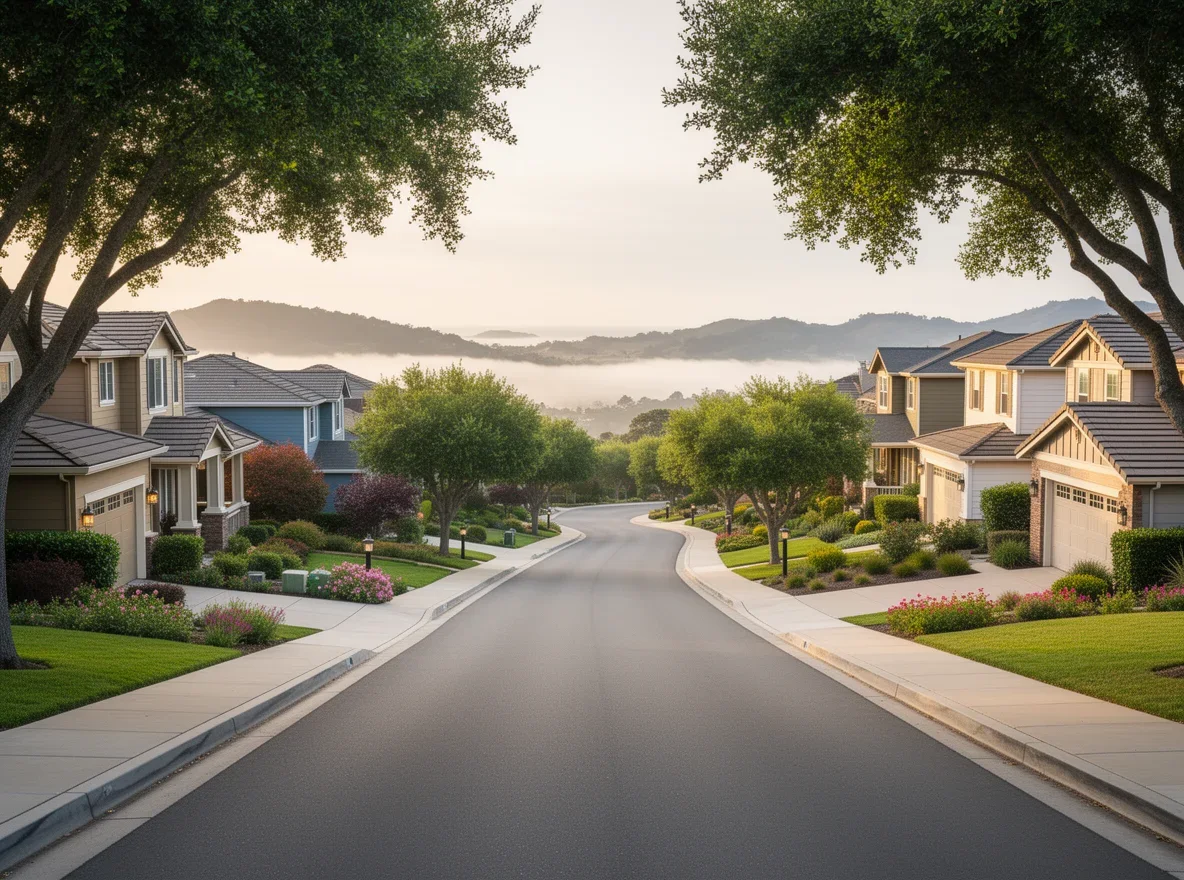
Don't ignore non-driving options. Depending on your workplace and comfort level, biking can be part of the equation for shorter commutes, especially when your alternative is slow traffic at peak times. Even a hybrid approach—driving to a less congested area and then cycling—can make the day feel more predictable. The key is being honest about terrain, safety, and the time you're willing to commit, but many residents appreciate having options beyond the steering wheel.
For families, route planning often revolves around school mornings and afternoons. On days packed with pickups, practices, and last-minute schedule changes, the "best" route is usually the one that minimizes stress, not distance. A slightly longer drive with easier turns and fewer bottlenecks can feel like a win when you're juggling real life.
For remote or hybrid workers, Aptos can be particularly appealing. The ability to avoid the most intense commute windows even a couple of days a week changes the math: you get the coastal lifestyle more often, with fewer tradeoffs. Many buyers underestimate how powerful that shift is until they experience it.
Daily-Life Tradeoffs: Why People Still Choose Aptos
The commute conversation is really a lifestyle conversation in disguise. People choose Aptos because it offers a blend that's hard to replicate: access to beaches and redwoods, a relaxed coastal pace, and proximity to Santa Cruz and the broader Bay Area orbit. The cost of entry is often the same as anywhere desirable in coastal California: you pay with planning—timing your drives, consolidating errands, and accepting that peak traffic days will happen.
Recreation can also be your reset button. When you live near the coast and trails, a short walk outside can do what a long weekend used to. That matters if you're spending time on the road. It's easier to tolerate a commute when your "after work" isn't another long drive to find fresh air or open space.
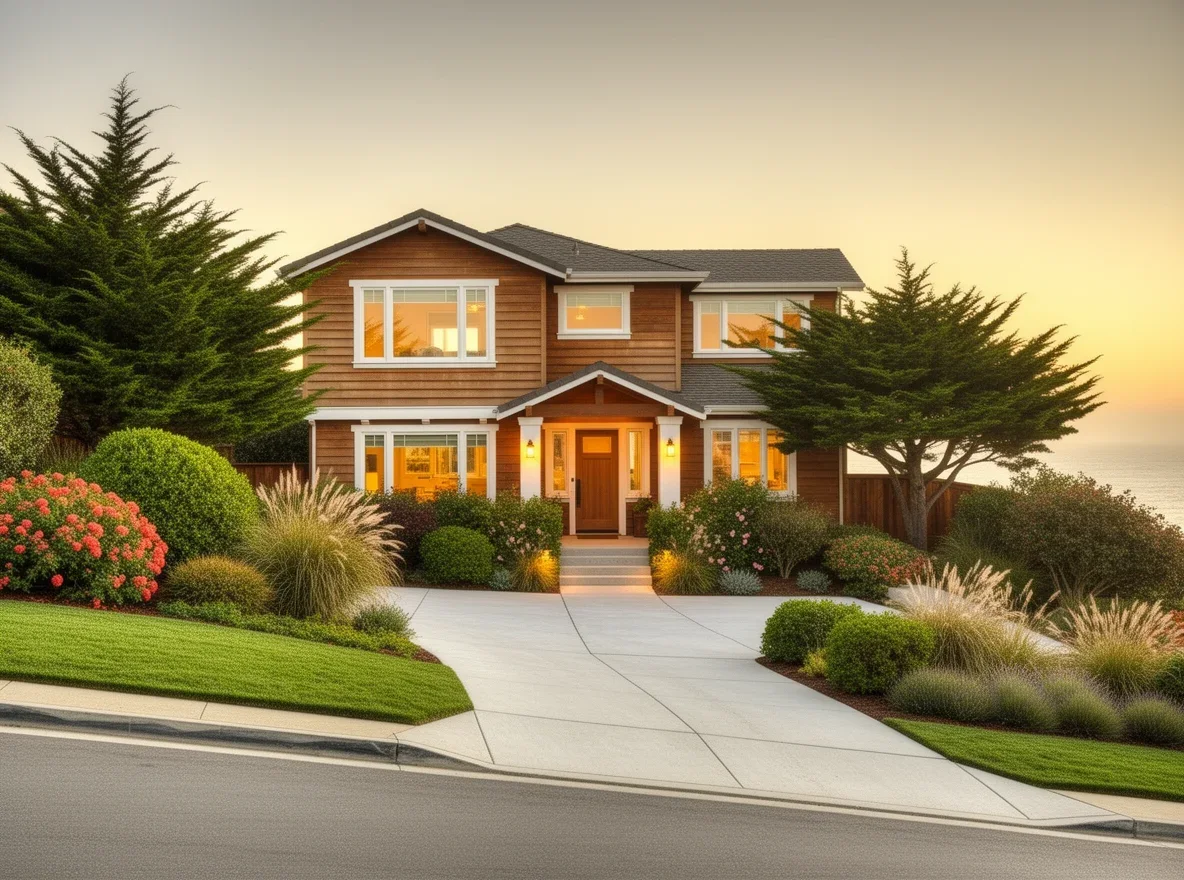
From a real estate perspective, commute tolerance often correlates with what buyers prioritize in a home. If you want a quiet street, a yard that feels private, or proximity to nature, you may accept slightly longer drive times compared to more central locations. On the other hand, if your job requires frequent trips over Highway 17, you'll likely value easy access to major routes and a home setup that supports early mornings—think practical parking, low-maintenance landscaping, and a layout that makes the weekday routine smoother.
It's also worth factoring in the "hidden commute" inside your day: grocery runs, kids' activities, workouts, and meetups. Aptos can be wonderfully convenient for many of those needs, but it's not a place where everything is one block away. Buyers who are happiest here tend to plan their week like locals do—bundle errands, pick dependable routes, and keep a little extra time in reserve.
A Practical Bottom Line for Prospective Buyers
If you're considering a move, the best commute research isn't theoretical—it's experiential. Do a test drive on a weekday morning and again in the late afternoon, then repeat on a different day to see how variable it can be. Try the backup routes, note where slowdowns begin, and pay attention to how you feel when you arrive. Aptos rewards people who value coastal calm, outdoor access, and a strong sense of community—and who are willing to treat commuting as a skill rather than a fixed number. When the home and the lifestyle fit, the tradeoffs often feel not just manageable, but completely worth it.