

Scotts Valley Market Pulse: What Really Moves Prices from One Pocket to the Next
Real estate in Scotts Valley doesn't behave like a single, uniform market. Two homes with similar square footage can land at noticeably different price points simply because they sit a few minutes apart, catch different light, or feel closer to a trailhead, commute route, or everyday conveniences. That "micro-market" effect is exactly why some listings fly while others need a price adjustment, even in the same season. If you've been watching sales and thinking, Why did that one go so high?—the answer is usually found in the details buyers value most in each pocket.
Think of Scotts Valley as a collection of small buyer stories. Some shoppers prioritize easy access to Highway 17 for Silicon Valley commutes; others want a quieter, more tucked-away feel with towering redwoods and a sense of privacy. Add in school preferences, lot usability, and the way a home is updated (or not), and you get a market where pricing is less about "the city" and more about the exact address and lifestyle fit.

One of the biggest price drivers is the "redwood premium," and it comes in layers. Homes that feel immersed in nature—without being too shaded, damp, or maintenance-heavy—often generate strong emotional reactions during tours. Buyers will pay more for a property that delivers that Santa Cruz Mountains atmosphere while still feeling bright inside and practical year-round. On the other hand, too much shade can raise concerns about mossy roofs, slippery paths, and higher ongoing upkeep, which can soften demand or push buyers to negotiate harder.
Another factor that quietly separates neighborhoods is lot function. A yard that looks generous on paper isn't always usable in real life if it's steep, oddly shaped, or hard to fence. In pockets where flatter lots are scarce, you'll often see stronger pricing for properties that offer outdoor dining space, play areas, gardens, or room for pets. Even small differences—like a level pad off the kitchen or a driveway that comfortably fits multiple cars—can move a home into a higher buyer "tier" and change the final sale number.
Then there's the practical side of daily living: commute and convenience friction. Buyers often assign real value to how quickly they can reach Highway 17, grocery runs, schools, parks, and community amenities without navigating narrow roads or feeling too remote. In some pockets, that convenience reads as "effortless," and offers come in quickly. In others, the tradeoff is peace and quiet—still attractive, but sometimes with a smaller pool of ready-to-bid buyers. This is why two comparable homes can have very different timelines and negotiation leverage.
Home Features That Push Values Up (and the Ones That Hold Them Back)
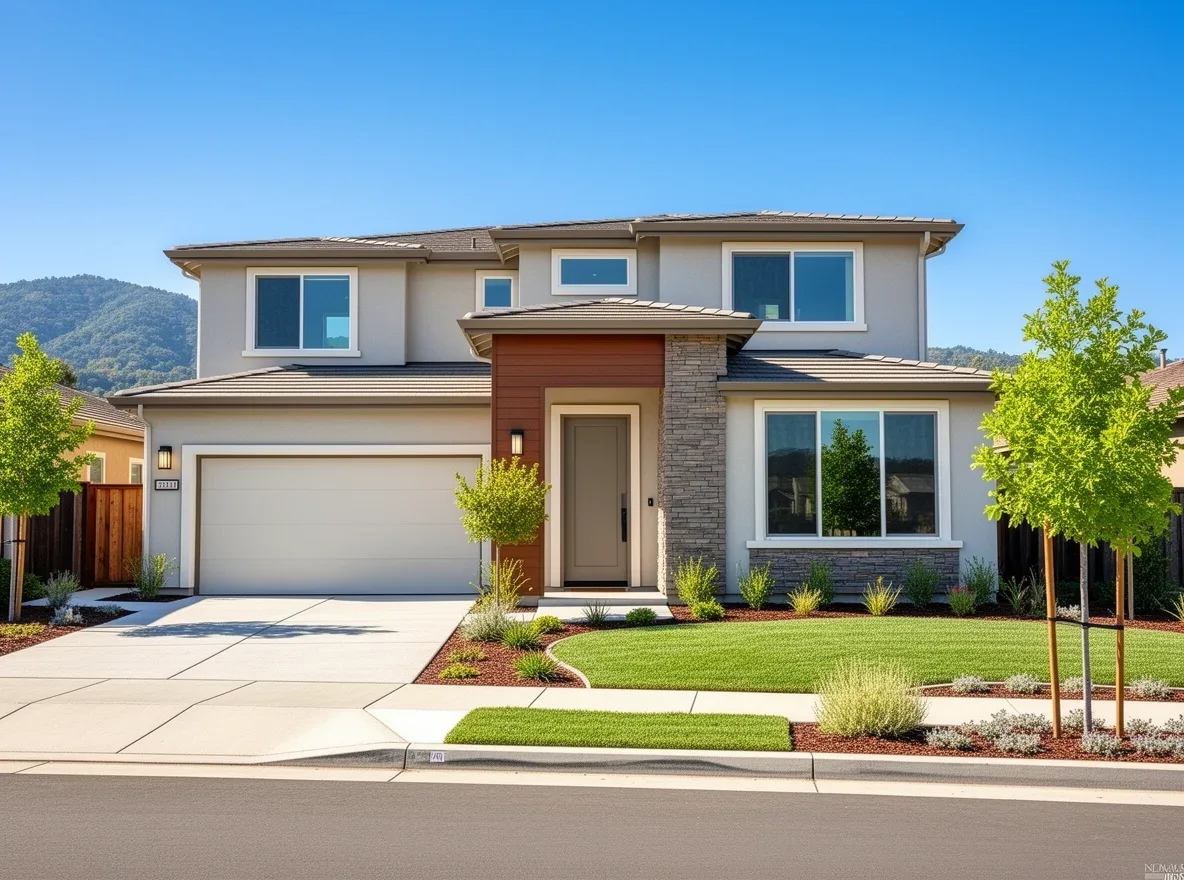
Condition still matters—but in Scotts Valley, the "why" behind condition matters even more. Buyers here are often balancing lifestyle goals with the realities of mountain living: drainage, roofing, pest prevention, access roads, and insurance considerations. A home that shows clear stewardship—fresh exterior paint, clean gutters, solid retaining walls, good grading, and documented improvements—can feel like a safer bet. That confidence frequently translates into stronger offers and fewer repair-driven price reductions.
Inside the home, the most reliable value boosters tend to be the ones that improve everyday comfort: updated kitchens with functional layouts, modernized bathrooms, efficient heating, good insulation, and bright, inviting living spaces. Natural light is a major differentiator in a redwood setting; homes that capture sun through larger windows or better orientation often feel warmer and more "California," and that emotional response can show up directly in the final price.
Conversely, pricing pressure appears when buyers sense hidden projects. Older roofs without records, dated electrical panels, moisture concerns, or a long list of deferred maintenance can shift a property from "move-in ready" to "budget for surprises." Even if the home is charming, buyers tend to pad their offers with risk—especially when they're comparing it to a nearby listing that feels turnkey. That's how two similar homes end up with a meaningful spread in price per square foot.
Layout premiums also show up in specific ways. A true primary suite, flexible bonus space for remote work, and easy indoor-outdoor flow can widen the buyer pool and increase competition. Meanwhile, homes with lots of small rooms, tight kitchens, or awkward stair patterns may still sell well—but usually need sharper pricing or standout staging to overcome the functional tradeoffs.
Pockets, Perception, and the Power of a Few Minutes
Scotts Valley buyers don't just compare homes; they compare feelings. A street that looks sunnier at 2 p.m., a route that feels easier during school drop-off, or a neighborhood that reads as quieter can become a deciding factor. Even within the same general area, micro-differences—like proximity to trails, distance from busier corridors, or how "tucked in" a home feels—create distinct price bands. That's why a careful comparative market analysis must go beyond recent sales and into the nuance of how each pocket is experienced.
Schools, recreation, and community rhythm are part of the pricing equation as well. Many buyers are drawn to Scotts Valley for its balance: quick access to Santa Cruz's coast and culture, while still offering a more residential, nature-forward day-to-day. Parks, open space, and nearby outdoor recreation add a steady baseline of demand. When a listing aligns with that lifestyle—think easy trail access, a pleasant yard, and a comfortable home office setup—it often hits the market with momentum.
Seasonality can amplify these differences. In brighter months, homes that showcase outdoor living and natural light can surge. During wetter stretches, buyers pay closer attention to drainage, driveway slopes, and how "dry" the home feels. Smart sellers anticipate this: they address moisture cues, brighten interiors, and present inspection-ready documentation. Those steps don't just reduce friction—they help a home compete at the top of its micro-market.
How PORTFOLIŌ Real Estate Reads the Pulse
Pricing in Scotts Valley works best when it's both data-driven and street-level specific. Recent comparable sales provide the baseline, but the winning strategy is understanding which features are truly scarce in a given pocket—usable land, sun exposure, turnkey condition, flexible layout, and an ease-of-living location. When those scarcity factors line up, buyers tend to move decisively. When they don't, the market asks for a more compelling price or clearer value story.
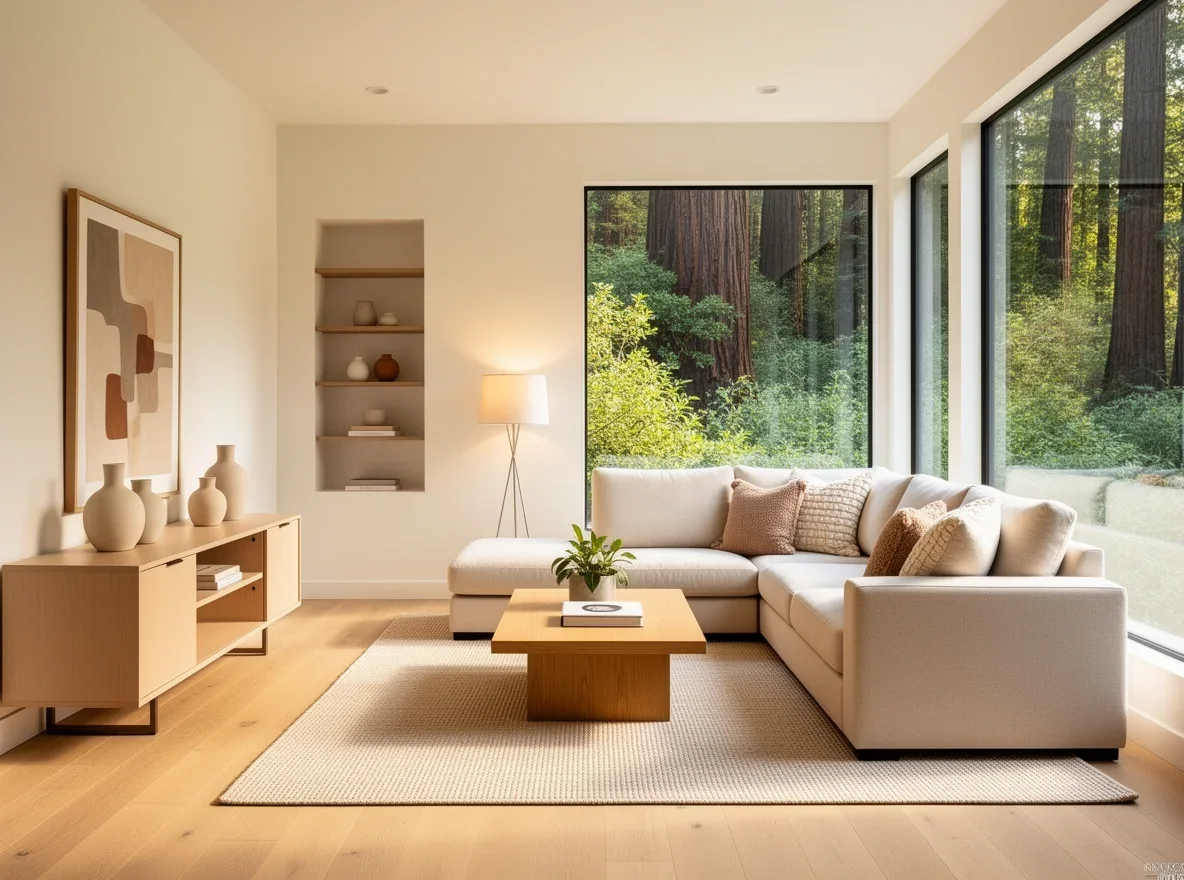
If you're planning to buy, it helps to identify which compromises you truly don't want to make—light, lot usability, commute ease, or move-in readiness—and then focus on pockets where those priorities are most consistently delivered. If you're preparing to sell, your best leverage comes from removing uncertainty: pre-sale prep, clear maintenance records, and presentation that highlights what's rare about your home in its immediate area.
The takeaway: prices move up when a home reduces buyer anxiety and elevates lifestyle—especially in the pockets where those traits are hardest to find. Prices soften when location friction, deferred maintenance, or functional limitations narrow the buyer pool. With the right strategy, you can position a property to perform like the best version of its neighborhood rather than the average of the city.
For a tailored read on your specific pocket—what's selling, what's sitting, and which upgrades actually return value—PORTFOLIŌ Real Estate can help translate the Scotts Valley market pulse into a clear plan and confident next steps.